
Same expertise. 10x the perceived value.
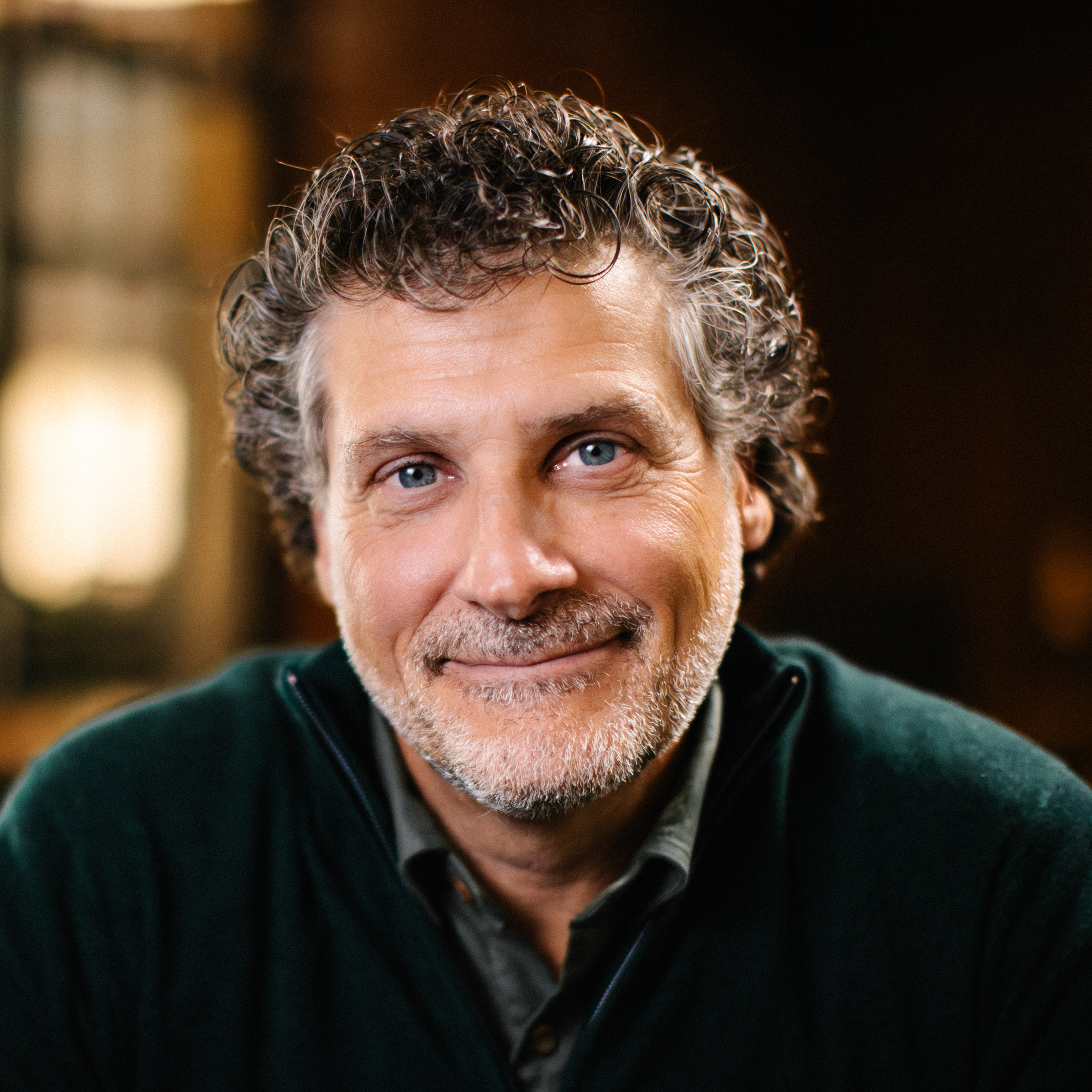
Mark Flippen has spent 25 years in the insurance industry, operating inside the highest-stakes environments, where mistakes don’t just cost money; they cost trust.
Over his career, he’s helped clients recover more than $250M in claims and built multi-million-dollar divisions inside major firms including Marsh, JLT, and NFP.
On paper, the credibility was never the issue.
The issue was the signal.
Because despite the results, despite the track record, despite the depth, Mark was still positioning his firm with the most common (and most expensive) phrase in the professional services world:
“Boutique insurance brokerage.”
Which—translated by the market—can quietly sound like:
Smaller. Nicer. Less resourced.
A vendor. Not a strategic partner.
A “service provider,” not a force-multiplier.
And when your work belongs in boardrooms, “boutique” isn’t a differentiator. It’s a ceiling.
The turning point
Mark wasn’t trying to become something he wasn’t.
He needed his existing value to become immediately readable.
We didn’t change his expertise.
We changed how the market perceives it.
Before: “Boutique insurance brokerage.”
Now: “We turn insurance from a line-item expense into a strategic asset for financial institutions.”
Same expertise.
Different language.
Different level.
That one shift did what most founders try to brute-force with volume, ads, or new offers:
It repositioned the entire business in one sentence.
What we worked on
Mark and his team had already worked with elite marketing teams inside global brokerages. They knew what good looked like.
But building their own firm from the ground up revealed a gap most founders don’t expect:
You can have operational excellence… and still be under-positioned.
Their brand didn’t need polish. It needed premium authority architecture, for the firm and for the founders.
That’s where I came in.
Together, we built a strategy that did three things:
1) We clarified the expensive problem they solve
Not “insurance placement.” Not “service.”
But strategic risk leadership for financial institutions.
We anchored the positioning around value creation, not deliverables:
- insurance as a lever for resilience
- claims advocacy as reputational protection
- coverage precision as a competitive advantage
- board readiness as a leadership standard
2) We articulated differentiators the market can actually feel
Mark’s differentiation isn’t “we care more” (everyone says that).
It’s:
- process discipline that prevents exposure
- technical depth that detects what others miss
- leadership-level advocacy when things get real
- and a service model that behaves like partnership, not account management
Translation: they don’t just “place policies.”
They engineer protection and advocate outcomes.
3) We installed a personal brand storytelling strategy that builds trust faster
Not performative. Not oversharing.
But stories that create instant credibility and market intimacy, so the prospect walks in already convinced.
The results
After this work, Mark noticed a shift that didn’t show up as a vanity metric.
It showed up where it matters:
- Inbound improved in quality.
- Prospects began entering conversations with higher trust and less skepticism.
- Long-term clients commented that the thought leadership and storytelling strengthened the relationship.
- And the firm’s market presence started to match its actual capability, standing shoulder-to-shoulder with global incumbents.
In Mark’s words:
“We’ve worked with elite marketing teams inside the world’s largest global brokerages. But building our own firm from the ground up revealed one critical gap: premium brand positioning—not just for our company, but for us as founders.
That’s where Alana came in. What she helped us build was far more than a brand strategy. She guided us through a full transformation of how we show up, online and offline. She clarified the positioning of our boutique firm to stand shoulder-to-shoulder with global incumbents, helped us articulate our differentiators, and taught us how to use our personal brand stories to create deeper trust and relevance with clients and prospects.
Since working with Alana, the quality of our inbound opportunities has changed dramatically. Prospective clients often walk into the room saying they already feel like they know us. And even long-time clients have commented on how our thought leadership and storytelling has strengthened the relationship.
But perhaps most importantly, Alana helped us see how personal story, brand mission, and positioning strategy can converge—not just to drive visibility, but to lead meaningful change in our industry. Her work was both strategic and, frankly, therapeutic. It challenged us to think bigger, be braver, and show up as the kind of leaders we want the next generation to see.
If you’re a founder or executive trying to lead with impact and compete in a premium market—and you’re serious about getting it right—work with Alana. She’s the real deal.”
Why this case study matters
This is the mistake high-level founders make all the time:
They try to scale the business before the market can clearly name their value.
Mark didn’t need a new offer.
He needed positioning that matched his actual level.
And once the positioning shifted, the perceived value shifted with it.
That’s the power of premium brand strategy when it’s done correctly:
It doesn’t “make you look better.”
It makes your existing excellence undeniable.
The takeaway
If you’re a founder or executive with real expertise, but your positioning still sounds like a category label…
You’re not losing because you’re not good. You’re losing because the market can’t read you fast enough.
That’s what we fixed here.